

When it comes to maintaining the exterior of high-rise buildings in Vancouver, property managers face a critical decision that impacts everything from project costs to tenant satisfaction. The choice between rope access and traditional scaffolding for building envelope services isn’t just about methodology. It affects your budget, timeline, insurance considerations, and the day-to-day operations of your property.
Vancouver’s unique position as a coastal city with dense urban development and stringent safety regulations makes this decision even more complex. Understanding the real-world implications of each approach will help you make informed decisions when selecting Vancouver building envelope contractors who can deliver exceptional service for your next project.
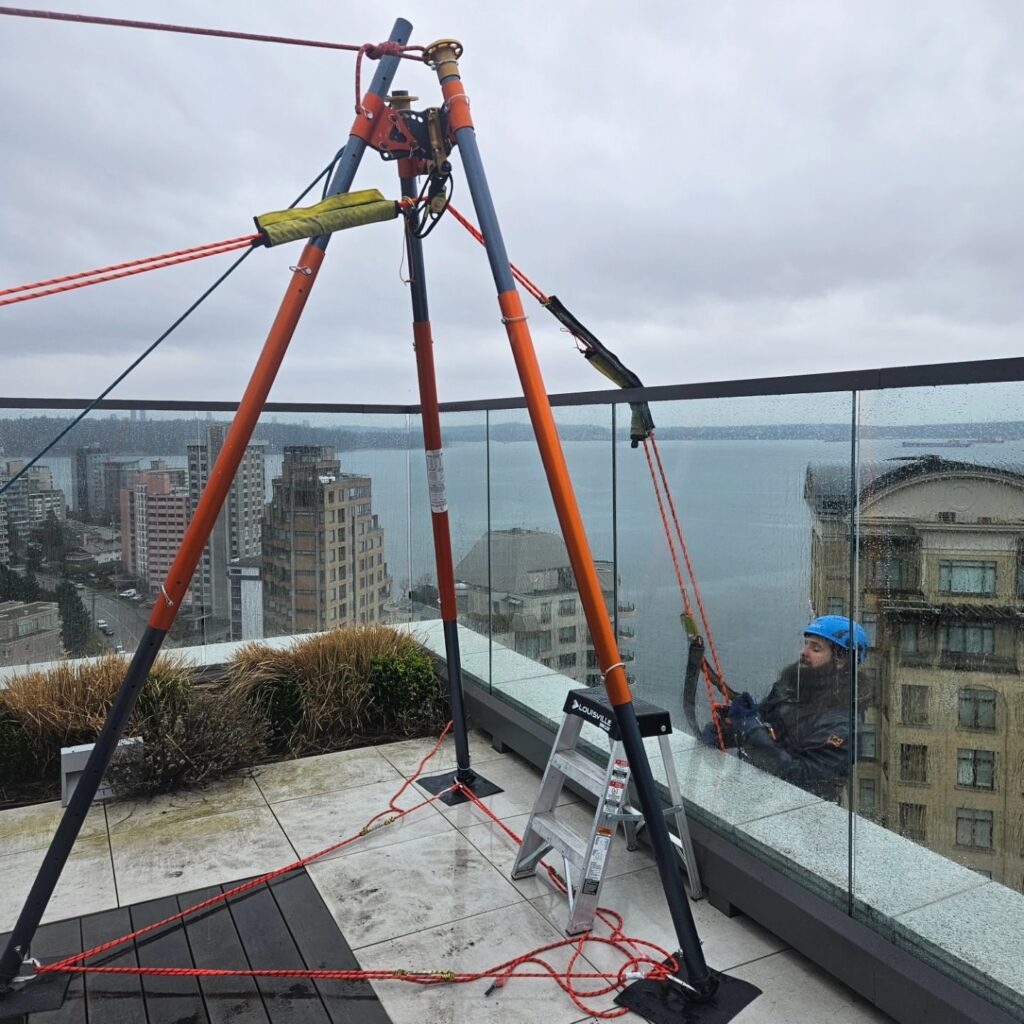
Cost Analysis: The Numbers Tell the Story
The most important matter for property managers is often cost, and the differences between rope access and scaffolding can be substantial. Traditional scaffolding requires significant upfront investment in materials, transportation, setup, and eventual removal. For a typical 20-storey office building in downtown Vancouver, scaffolding costs alone can range from $80,000 to $150,000 before any actual building envelope work begins.
Professional rope access services eliminate these overhead costs entirely. The equipment required is minimal and portable, allowing contractors to begin work almost immediately upon arrival. This translates to savings of 30 to 50 percent on access-related costs, money that can be redirected toward higher-quality materials or additional building envelope improvements.
Consider an example of a renovation of a 25-storey commercial building on West Georgia Street. The property manager would receive quotes from general contractors for scaffolding-based building envelope repairs totalling $380,000. When they explored rope access alternatives with Vancouver building envelope contractors who specialize in this efficient methodology, the same scope of work was completed for $245,000. These savings of $135,000 allowed for upgrades to the building’s waterproofing system that weren’t originally in the budget, demonstrating exceptional value for clients in British Columbia.
Timeline Considerations for Busy Properties
Time is money in property management, and project duration affects everything from tenant relations to cash flow. Traditional scaffolding projects require substantial setup time. Weather delays, permit approvals, and material delivery schedules can extend setup phases for weeks before any building envelope work actually begins.
A scaffolding project on a downtown Vancouver high-rise typically requires two to three weeks for complete installation, followed by the actual building envelope work, then another week for removal. This means a six-week building envelope project becomes a ten-week disruption to your property operations.
Rope access contractors can begin work within days of project approval. Weather delays are less problematic because rope access equipment is quickly deployed and removed as conditions change. The same six-week building envelope project can often be completed in seven to eight weeks total, reducing the disruption period by 20 to 30 percent.
Tenant Disruption and Property Operations
Managing tenant concerns during building envelope work is a constant challenge for property managers who strive for tenant satisfaction. Traditional scaffolding creates visual barriers that can affect natural light in office spaces and obstruct views that tenants value. The prolonged presence of scaffolding can impact the professional appearance of your building and potentially affect lease renewals or the attraction of new tenants.
Scaffolding also requires ground-level space for storage and staging areas, which can limit parking availability or pedestrian access. In Vancouver’s dense urban environment, this often means coordination with city permits for sidewalk or lane closures, adding another layer of complexity to your project management.
Professional rope access work is virtually invisible from inside the building. Tenants may see technicians outside their windows occasionally, but there are no permanent structures blocking views or light. The minimal ground-level footprint means parking and access remain largely unaffected throughout the project, ensuring exceptional customer service.
Projects using rope access can reduce tenant complaints by 80 percent compared to similar projects done with scaffolding. A dedicated team can provide regular updates and maintain clean work sites, transforming the primary concerns from “when will this scaffolding be removed” to occasional questions about the technicians working outside specific windows.
Safety Records and Insurance Implications
Safety is paramount in building envelope work, and both approaches have established safety protocols when properly implemented by professional teams. However, the statistics reveal important differences that can affect your insurance considerations and liability concerns.
Traditional scaffolding work has an established safety record, but incidents often involve falls from scaffolding platforms, structural failures, or accidents during setup and removal phases. The extended duration of scaffolding projects increases exposure time for potential incidents.
Professional rope access, when performed by certified technicians with many years of expertise, has demonstrated superior safety statistics in international studies. The Industrial Rope Access Trade Association (IRATA) reports incident rates for certified rope access work that are significantly lower than traditional height access methods. This is partly due to the redundant safety systems required in rope access work, where technicians are secured by multiple independent lines at all times.
From an insurance perspective, many carriers are recognizing the superior safety record of certified rope access work. Some property managers have reported reduced insurance premiums or more favourable coverage terms when using certified Vancouver building envelope contractors for building envelope maintenance. It’s important to discuss these potential benefits with your insurance provider when planning building envelope projects, as the attention to detail and safety protocols can deliver significant savings over time.
Vancouver-Specific Considerations
Vancouver’s climate and regulatory environment create unique challenges for building envelope contractors that affect the choice between access methods. The city’s frequent rainfall can halt scaffolding projects for safety reasons, as wet metal surfaces create slip hazards. Extended weather delays can push projects into different seasons, potentially affecting material performance and curing times for sealants and coatings.
Professional rope access work can continue in light rain conditions that would stop scaffolding projects, though heavy rain or high winds affect both methods equally. The flexibility of rope access scheduling helps contractors work around Vancouver’s unpredictable weather patterns more efficiently.
The City of Vancouver’s permitting requirements also favour rope access projects. Scaffolding often requires street use permits, coordination with parking authorities, and sometimes traffic management plans. Rope access typically requires only standard building maintenance permits, reducing administrative burden and potential delays.
The downtown Vancouver building example that switched from scaffolding to rope access mentioned earlier would also have saved three weeks in permit approval time, allowing the project to begin in optimal weather conditions rather than being pushed into the rainy season. This efficient approach demonstrates how experienced Vancouver building envelope contractors can tailor their services to meet the specific needs of properties throughout British Columbia and the Lower Mainland.
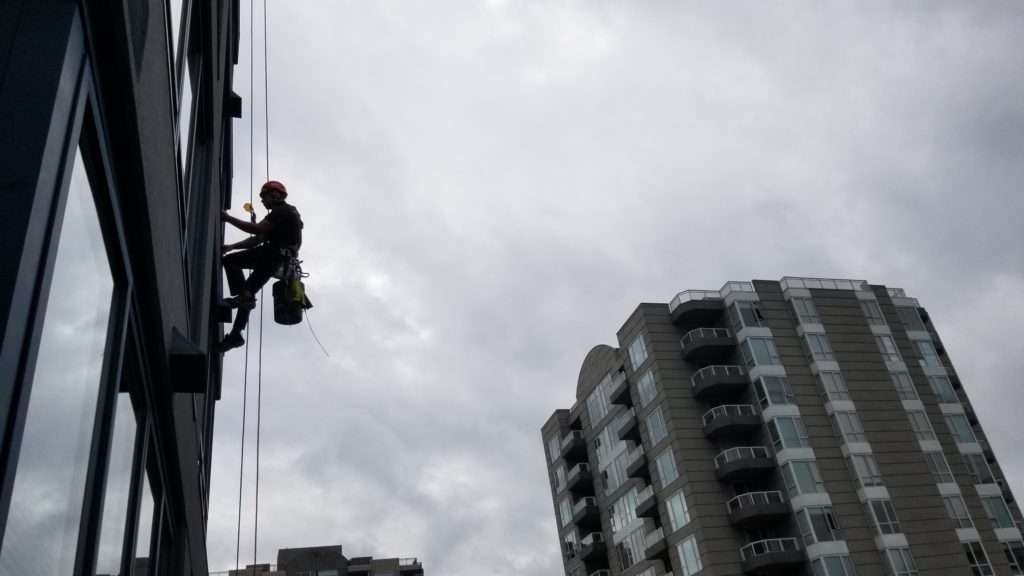
Making the Decision: What Property Managers Should Ask
When evaluating Vancouver building envelope contractors, the access method is just one factor to consider. The contractor’s experience, certifications, insurance coverage, and track record with similar properties remain paramount concerns for property managers who require excellence in their service providers.
For rope access contractors, verify that technicians hold current IRATA or SPRAT certifications. These international standards ensure that workers have received proper training in rope access techniques and safety protocols. Ask for references from other high-rise properties and request specific details about their safety record and insurance coverage. A great contractor will provide comprehensive documentation and offer to meet with you to discuss your project requirements.
For scaffolding contractors, evaluate their experience with similar buildings and their track record for completing projects on schedule. Understand their weather contingency plans and how they handle unexpected delays that might affect your property operations. Request a detailed quote that covers all aspects of the work.
Consider your specific property needs. Buildings with unique architectural features, limited ground access, or sensitive tenant requirements might benefit more from rope access solutions. Properties requiring extensive work over large areas might find scaffolding more practical for certain phases of the project. The experts you choose should be able to perform a thorough site assessment and provide recommendations tailored to your building’s requirements.
The Future of Building Envelope Access in Vancouver
Vancouver’s building envelope industry is increasingly embracing rope access technology as contractors and property managers recognize its advantages. The method’s efficiency, reduced environmental impact, and superior safety record align with the city’s sustainability goals and modern property management practices.
Several major property management companies in Vancouver have updated their preferred contractor lists to prioritize certified rope access providers for routine building envelope maintenance. This shift reflects growing confidence in the method and recognition of its practical advantages for high-rise building management in both commercial and residential properties.
As Vancouver continues to densify and environmental considerations become more important in property management decisions, rope access offers a solution that minimizes material waste, reduces carbon footprint, and provides more flexibility for property managers balancing maintenance needs with operational requirements. Whether the job is large or small, the right team can deliver quality results while keeping disruption to a minimum.
The choice between rope access and traditional scaffolding ultimately depends on your specific project requirements, budget constraints, and property characteristics. However, understanding the real-world implications of each approach ensures that you can make informed decisions that serve your property’s long-term interests while maintaining positive tenant relationships and controlling costs.
When selecting your next Vancouver building envelope contractors, consider not just the immediate project needs but also the broader impacts on your property operations, budget, and tenant satisfaction. The right choice of access method and contractor can transform building envelope maintenance from a necessary disruption into a smooth, efficient process that enhances your property’s value and performance.
Contact us for detailed assessments for your building maintenance work.