

Your building envelope is its first line of defence against the elements. As a commercial property owner or property manager in British Columbia, recognizing the early warning signs of envelope failure can save money on repairs and protect your investment from serious damage. Understanding building envelope systems and when to contact a professional contractor is the key to maintaining high-performance buildings.
Understanding Building Envelope Systems
The building envelope encompasses all exterior components that separate the indoor and outdoor environments, including exterior walls, windows, doors, roof, insulation, and waterproofing elements. This complex envelope system creates a barrier against wind, rain, and water vapour while maintaining energy efficiency. When any part of these building envelope systems fails, it can create a cascade of problems that affect everything from energy costs to tenant comfort and the structure’s durability.
Critical Warning Signs You Cannot Ignore
Water Damage and Moisture Issues
Water stains on interior walls or ceilings are often the first visible sign of building envelope failure. These stains typically appear as brown or yellow discoloured patches and may be accompanied by a musty odour that can lead to mould growth. Pay particular attention to areas around windows, near the roofline, and in corners where two exterior walls meet.
Peeling paint or wallpaper, especially on exterior surfaces, can indicate moisture penetration through the envelope. In more severe cases, you might notice soft spots in walls or visible mould growth that requires immediate attention to preserve the building’s interior environment. These issues often start small but can quickly spread if the underlying building envelope repair isn’t addressed promptly.
Energy Efficiency Problems and Cost Increases
An unexplained spike in heating or cooling costs often indicates an issue with the envelope system and reduced energy efficiency. When seals around windows and doors deteriorate, or when there are gaps in the building’s exterior surfaces, your HVAC systems have to work harder to maintain comfortable temperatures, costing you money. Compare your energy usage year over year, accounting for weather variations and occupancy changes, to identify areas for improvement.
Energy-efficient buildings depend on properly functioning envelope systems. When these systems fail, building owners and property managers see immediate impacts on operational costs and tenant satisfaction.
Temperature and Comfort Issues
Tenants complaining about drafts, cold spots, or difficulty maintaining comfortable temperatures can signal building envelope problems. Hot and cold spots near exterior walls or windows often indicate poor insulation performance or air leakage through the envelope system. If certain areas of your building consistently require more heating or cooling, investigate the envelope integrity in those zones to ensure optimal performance.
Visible Exterior Damage
Regular inspections of exterior surfaces should look for several key issues that affect building envelope design integrity:
Cracks in exterior walls, particularly around windows and doors, can allow water to infiltrate the structure. Even hairline cracks in concrete or masonry can expand during freeze-thaw cycles, creating larger problems over time that require concrete repair services.
Deteriorated caulking and sealants around windows, doors, and other penetrations are common failure points in envelope systems. Look for caulking that has shrunk, cracked, or pulled away from surfaces, particularly at joints where different building elements meet.
Damaged or missing weatherstripping around doors and windows creates direct paths for air and moisture infiltration, reducing energy efficiency and compromising the envelope’s performance.
Window and glass issues such as condensation between double-pane glass, difficulty opening or closing, or visible frame damage all indicate potential envelope problems that affect both performance and durability.
Structural Warning Signs
Ice dams forming along the roofline during winter can indicate poor insulation and air sealing in the building envelope. These occur when heated air escapes through the envelope, melting snow that then refreezes at the roof edge, potentially causing damage to the structure and roof systems.
Efflorescence, which appears as white, chalky deposits on exterior masonry walls, indicates that water vapour is moving through the wall system and bringing dissolved minerals to the surface. This compromises the envelope’s ability to protect the building’s interior.
Seasonal Inspection Checklist for Building Envelope Systems
Spring Inspection (March to May)
After winter’s harsh conditions in British Columbia, conduct a thorough exterior inspection of all envelope systems. Look for any damage caused by freeze-thaw cycles, including new cracks in walls, concrete, or foundations. Check that all caulking and sealants have maintained their integrity and continue to perform as designed.
Inspect the roof and waterproofing systems for loose or damaged materials, and ensure gutters and downspouts are clear and properly attached. These elements are crucial for directing water away from the building envelope.
Inside, look for any new water stains or signs of moisture damage that may have developed over the winter months, particularly in areas where the envelope may have been compromised.
Summer Inspection (June to August)
Summer’s warmer weather is ideal for major building envelope repair projects and maintenance work. Focus on the window and glass seals, as the heat can reveal gaps that might not be obvious in cooler weather. Check that exterior surfaces are properly maintained and that any exposed sealants or caulking haven’t deteriorated under UV exposure.
This is also the perfect time to test your building’s energy efficiency and identify any areas where conditioned air might be escaping through envelope system failures. Work closely with your facilities team to perform comprehensive assessments.
Fall Inspection (September to November)
Fall preparation is crucial for buildings in Metro Vancouver and throughout British Columbia. Ensure all exterior sealants and weatherstripping are in good condition before winter weather arrives. Clean gutters and downspouts thoroughly, and verify that they direct water well away from the building foundation and envelope systems.
Check that all exterior doors and windows close tightly and that weatherstripping creates a proper seal. Any gaps or damage should be repaired before cold weather sets in to maintain energy-efficient performance throughout winter.
Inspect balconies, if present, as these building elements are particularly vulnerable to envelope failure and require regular maintenance to ensure compliance with safety specifications.
Winter Monitoring (December to February)
During the winter months, focus on monitoring the interior performance of the building envelope. Watch for ice dam formation, condensation on windows, or frost buildup in areas that are not typically affected. These can all indicate envelope problems that should be addressed as soon as the weather permits.
Monitor energy usage closely and investigate any unexpected increases in heating costs, as these often signal reduced envelope performance and compromised energy efficiency.
The Value of Professional Building Envelope Solutions
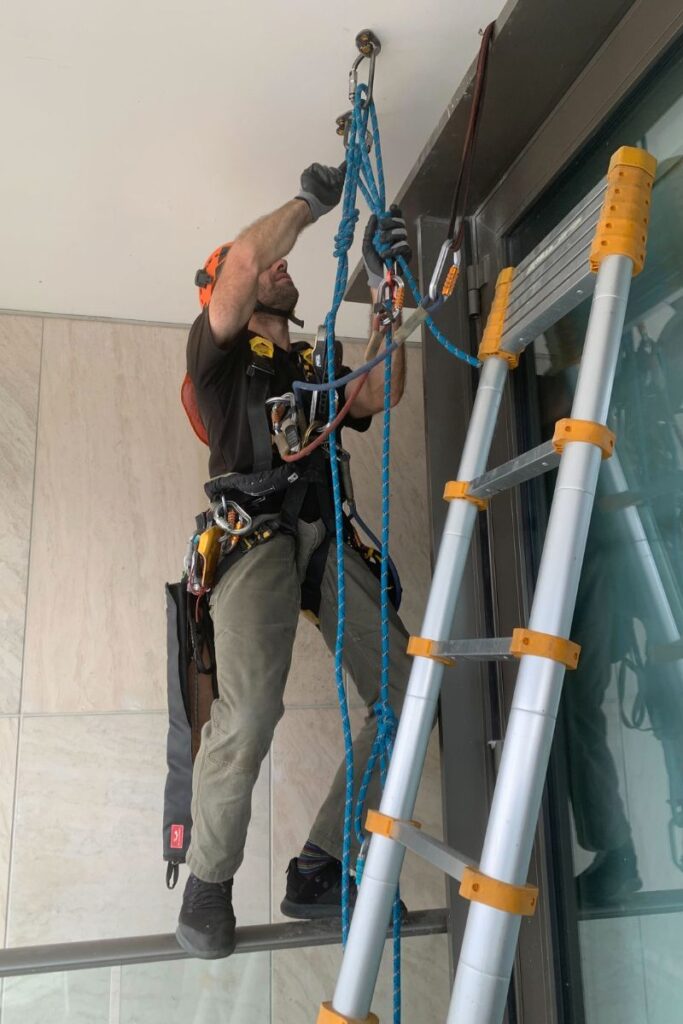
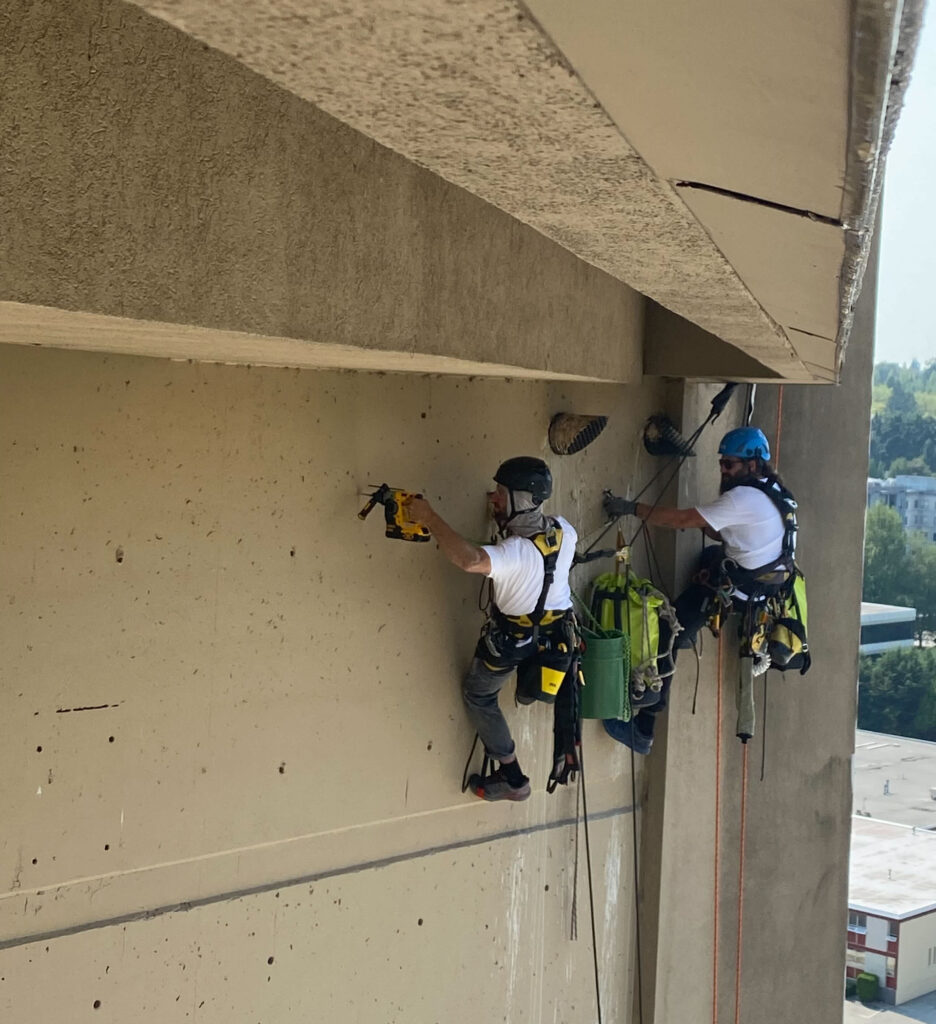
While property managers can identify many envelope issues during regular building walkarounds, some problems are only visible through close exterior inspection by a professional contractor with expertise in building envelope systems. Professional rope access inspections offer several advantages over traditional methods and create value for building owners.
Rope access technicians can safely reach and thoroughly examine high exterior surfaces without the expense and disruption of scaffolding. This makes regular, detailed inspections more practical and cost-effective, allowing you to maintain your building envelope proactively.
These professional services can identify problems in their early stages, when building envelope repair work is less expensive and less disruptive to building operations. A small crack in exterior caulking might cost a few hundred dollars to fix today, but could lead to thousands in water damage repairs if left unaddressed.
Professional contractors possess the expertise and engineering knowledge to identify subtle signs of envelope failure that may be overlooked during routine maintenance. They can also provide detailed documentation and specifications that help prioritize repairs and budget for maintenance needs across the project scope.
Working with contractors who focus on building envelope systems ensures that repairs maintain the high-performance standards required for energy-efficient buildings while ensuring compliance with industry specifications and local building codes.
Taking Action on Warning Signs
When you identify potential building envelope problems, quick action is essential to preserve your investment and maintain performance. Minor issues, such as failed caulking or damaged weatherstripping, are relatively inexpensive to fix but can lead to major problems if left unaddressed.
For more serious issues, such as structural cracks, concrete repair needs, or widespread water damage, contact qualified professionals immediately. The cost of early intervention is almost always lower than the cost of significant repairs after problems have spread throughout the envelope system.
Document all envelope issues with photographs and notes, including when they were first noticed. This information helps contractors understand the progression of the problem and can be valuable for insurance claims if necessary. Maintain detailed records to track the performance of your building envelope over time.
Protecting Your Investment with Building Envelope Solutions
Your building envelope works as a complete system, and failure in one area often leads to problems elsewhere in the structure. Regular inspections, prompt building envelope repairs, and preventive maintenance protect your property value, ensure tenant satisfaction, and maintain energy efficiency.
Professional building envelope solutions involve more than just fixing problems as they arise. The best approach is to work closely with experienced contractors who understand the full range of envelope systems and can provide comprehensive solutions tailored to your specific building and project requirements.
By staying alert to these warning signs and scheduling regular professional inspections, you can catch envelope problems before they become expensive emergencies that affect the building’s performance and durability. In British Columbia’s challenging climate, a well-maintained building envelope isn’t just about comfort and energy efficiency; it’s essential for protecting your investment for years to come.
Quality building envelope products and professional installation create long-term value for building owners and property managers. The difference between a high-performance building and one that constantly requires repairs often comes down to the quality of the envelope systems and the expertise of the contractors involved in their maintenance.
Remember that envelope maintenance is not a luxury, but a necessity that directly impacts your building’s lifespan and operational costs. The cost of regular inspections and preventive repairs is minimal compared to the expense of significant structural damage, mould remediation, or tenant displacement that can result from envelope failure. Professional contractors who understand building envelope design and performance can help ensure that your expectations are met, providing peace of mind that your investment is adequately protected.
This proactive approach ensures compliance with industry standards while preserving the value and sustainability of your property for years to come.
Contact us at Granite to assess systems that keep your building performing at its best.